



MRO Recruitment and the Aviation Talent Crunch: What Operators Need to Know
MRO recruitment has become one of the most urgent issues in aviation. As engine MRO backlogs grow, fleets age, and digital maintenance tools reshape aviation workflows, airlines and maintenance providers are under pressure to secure the right aviation personnel fast.
Operators need to find more licensed engineers, digitally-savvy engine specialists, and certified staff who can operate in a market defined by rising shortage costs. Answers to these challenges lie in strengthening MRO recruitment and better workforce planning.

The MRO Super Cycle
Engine Bottlenecks & aging fleets to blame for rise in repair delays
The aviation industry is firmly in the grip of an MRO super cycle, with global spending projected to surge from $136 billion to nearly $193 billion by 2030. This growth is fueled by aging fleets, as aircraft are flying 5 to 7 years longer than originally planned, deferred maintenance, and evolving C/D check demand (up by 40% since Q1 2026).
The most critical pinch point lies with engine MROs. We’ve just witnessed a peak year for engine MRO demand, with backlogs at record levels. In 2025, over 648 aircraft powered by next-generation GTF engines (A320neo, A220, E-Jets E2) were grounded awaiting maintenance, directly impacting airline schedules. Naturally, engine MRO capacity constraints are fueling critical industry losses, $11 billion by some estimates while grounding hundreds of aircraft.
Apart from the clear logistical challenge this has created, the financial drain is compounding. In fact, MRO shortage costs due to inefficiencies and unavailable aircraft now exceed $27 billion annually, with ARSA pegging workforce related losses at around $14 billion. This trend points to growth in maintenance hours from 310M/year to 565M/year by 2043 as fleets age and utilization stays high.
Regional shifts in MRO recruitment
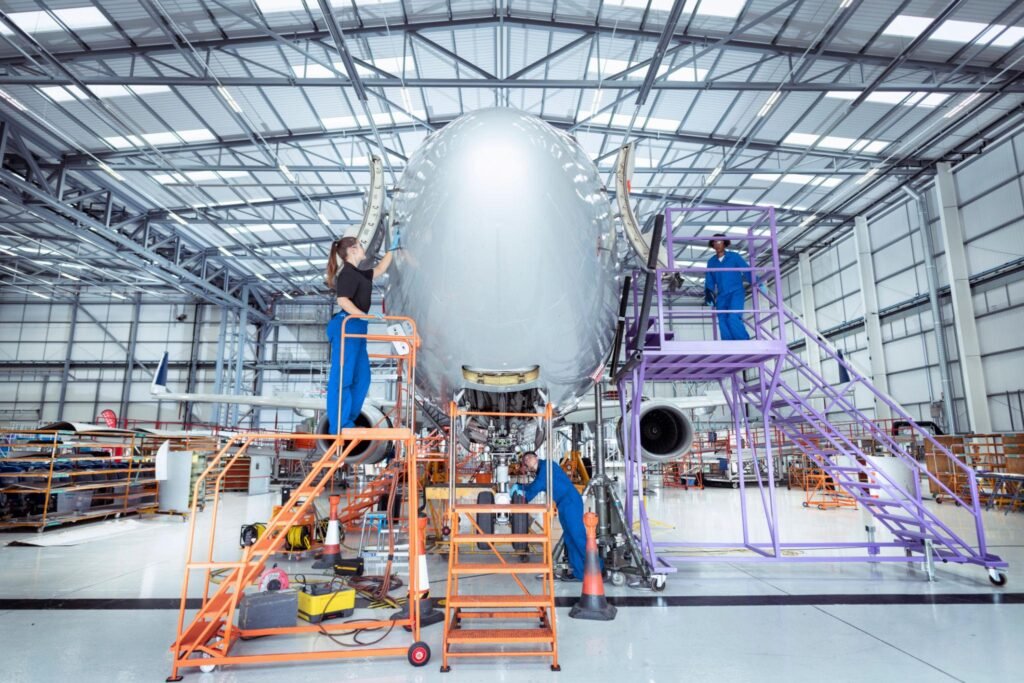
Meanwhile, the geography of MRO demand and recruitment is also undergoing change. Within Asia-Pacific regions and emerging Latin American & European hubs, MRO hiring focus has resulted in expanding hangars, and significant investments in digital tools to overcome slot constraints. The following are a few examples of new and expanding facilities:
- FL Technics’ new hangar in Punta Cana in the Dominican Republic drew 3,500+ job applicants, including local and international candidates. The company plans to hire 300 people in the facility’s initial stage and up to 2,000 positions over the next several years.
- Liebherr‑Aerospace is opening a new service center in the Middle East (Dubai South). The center will initially be certified under the European Union Aviation Safety Agency and the United Arab Emirates’ General Civil Aviation Authority, and will offer services for air management components.
- Safran’s Querétaro hub in Mexico, is set to create 450+ new jobs, with certified engine technicians (LEAP/CFM56) as the most sought after profiles. In fact, The 50,000 m² is set to test up to 350 engines yearly by 2030.
- Lufthansa Technik has broken ground on a new 55,000 SQM facility in Santa Maria da Feira, near Porto in Portugal. The site will specialise in repairing aircraft components and engine parts and is expected to create around 700 highly skilled MRO jobs as operations are scheduled to begin in 2028
These expansions are effectively large, ongoing hiring events, especially for licensed engineers, certifying staff, and engine specialists.

Digital Transformation: the Talent Crunch and Hiring Waves
Evolving trends in MRO recruitment
As capacity constraints persist, a parallel trend is transforming how maintenance is performed. Stakeholders are rapidly digitizing tasks due to engine upgrades, adopting AI-driven predictive maintenance, as well as electronic logs (eLogs) and digital twins to boost efficiency to reduce unscheduled downtime. Airlines such Southwest, AirAsia Indonesia, and CommuteAir are already leveraging these tools to cut costs and improve turnaround times. In tandem, Etihad Airways is building lifelong digital maintenance records for assets, improving traceability and planning.
This is a shift from purely manual inspections to data‑augmented repair and decision making. Yet, the current MRO talent pipeline is lacking in investment. To wit, the worldwide shortage of aircraft mechanics is causing delays and cancellations, with an estimate of 17,000 technicians short in North America alone, which could potentially climb to 30,000 by 2028. Moreover, 83% of technicians will retire in 10 years, with an estimate of 700,000 engineers needed by 2040. Boeing meanwhile predicts the need of 716,000 technicians worldwide over 20 years.
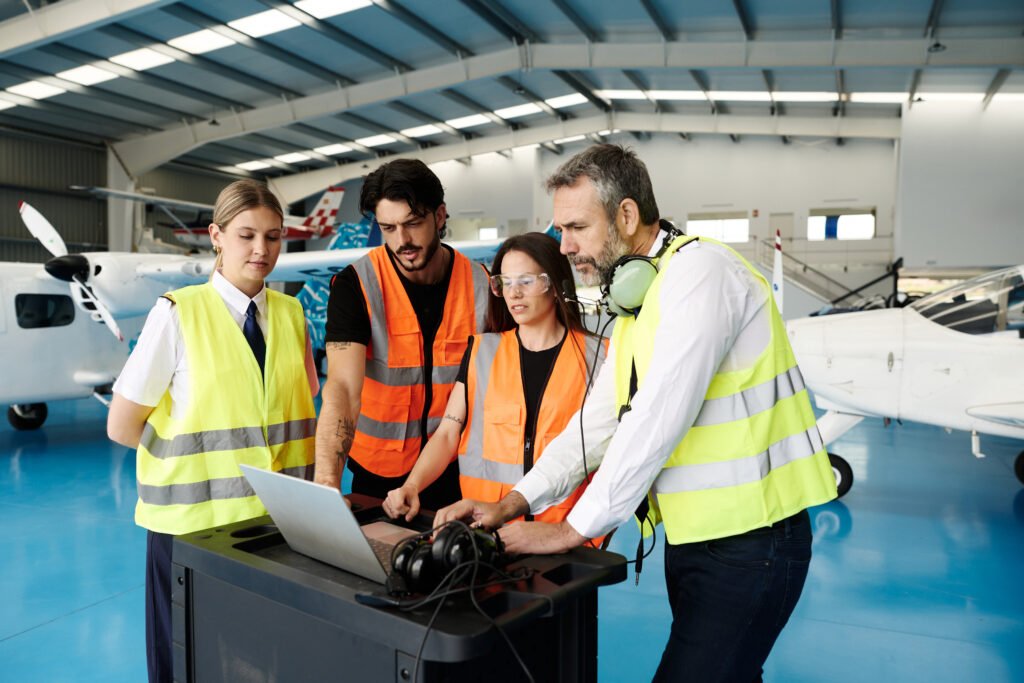
Although these estimates do not align numerically, they all confirm that the current MRO shortage is a major issue throughout the aviation industry. There has been some response, with hiring waves and bonuses undergoing a surge. Frontier Airlines partnered with Aims to launch a new FAA Part-147 AMT program, offering a $25,000 signing bonus for eligible graduates. Meanwhile, Iberia has launched a recruitment campaign targeting EASA Part-66 B1/B2 certifying staff to support its Flight Plan 2030, aiming to expand its long-haul fleet to 70 aircraft and strengthen the Madrid-Barajas hub. As for others such as Etihad Airways, hiring has aggressively increased for licensed aircraft engineers with 7–10 years’ experience.
Increasingly, operators and carriers need to prop their talent pipeline with MROs with the right experience and/or skill sets to bridge the gap between wrench-turning and data analytics; profiles that are increasingly scarce in the current market.
MRO Recruitment: What Should Operators Do?
How to strengthen MRO hiring and workforce planning
More long‑duration hangar or repair visits equate to a higher demand for engine specialists, test cell operators, borescope inspectors, and release‑to‑service certifying staff. Slot scarcity and long TATs push airlines to plan maintenance further in advance, increasing the need for planners, reliability engineers, and supply‑chain coordinators who can manage complex engine programs.
Traditional hiring methods are evidently failing, as the gap between MRO demand and available talent is widening. Operators need better access to niche aviation talent, together with faster recruitment pipelines for critical roles and a broader strategic approach to MRO recruitment to effectively curb shortage costs and build a resilient workforce to resist future shocks.

Work with established aviation recruitment experts
Current shifts are fundamentally altering aviation workflows and role profiles. The modern hangar requires hybrid talent with mechanics who are data-literate. They also need reliability analysts who can interpret predictive alerts, as well as digital MRO coordinators to further prop hangars with digital skillsets. In fact, nine out of ten airlines plan to use AI in scheduling and predictive maintenance within two years, making digital fluency a core competency for licensed engineers.
For operators looking to radically change their recruitment methods to meet current and future needs in the aviation industry, partnering up with recruitment experts is a strategic advantage. Apart from being assisted by a network providing direct access to niche aviation talent and certified personnel who are often invisible to standard job boards, expert recruiters mitigate MRO shortage costs by ensuring a steady pipeline of qualified aviation staff ready to deploy.
In a market where aviation jobs are filled within days, speed is critical. Workforce solutions ought to be designed to compress the hiring cycle through digital-first screening, technical assessments, and pre vetted talent pools.
Furthermore, aviation organizations ought to seek ‘future proofing’ their workforce. As AI-driven predictive maintenance and digital tools become standard, the talent pool must evolve. With the help of international recruitment experts, insights on emerging skill trends become key strategic inputs, helping operators upskill their existing teams and hire for future profiles.

Conclusion: Secure Your MRO Future Today
The convergence of the MRO super-cycle, engine bottlenecks, and digital transformation has created a talent crisis that threatens operational resilience. The path forward requires more than incremental hiring, it demands a strategic overhaul of MRO recruitment.
Today’s rapid growth of MRO demand is being driven by several interconnected factors: post-COVID recovery, delayed aircraft deliveries from Boeing and Airbus, aging fleets, engine maintenance challenges, expanding global networks, and a growing shortage of licensed aviation engineers. Rather than a temporary market imbalance, these trends represent a structural shift in the aviation industry.
For operators, the challenge is no longer simply finding engineers-it is building resilient workforce strategies that ensure aircraft remain operational, maintenance schedules stay on track, and future growth is not constrained by talent shortages.”Airlines that rely on reactive hiring drastically risk facing even more delays, rising labour costs, and operational fragility. This results in the increasing need of industry expertise and a wider networks of aviation talent to remain competitive.
Contact Us
 United Arab Emirates