


Hiring Aviation Professionals in 2026: Why Talent Shortages Are Getting Worse, Not Better
Hiring aviation professionals has not been adequate to the market’s demand surge. Crucially, passenger air travel demand is expected to double over the next two decades, continuing to put pressure on talent pipelines.
The current talent shortage is nowhere near its end, and in view that the industry will require approximately 1.5 billion aviation professionals to meet future demand, aviation organisations should plan robust aviation recruitment strategies from this very moment.
At the same time, the industry is undergoing rapid technological transformations. As a result, airlines are not just hiring pilots and engineers; they are competing for aviation talent in AI, data science, sustainability, and modern airline retailing. This dual demand of traditional roles meshed with emerging skillsets is stretching aviation HR and aviation recruitment strategies to their limits. Recruiting in aviation is becoming more complex, more competitive, and more time-sensitive than ever before.

The Pilot Pipeline Shortage
Hiring aviation professionals
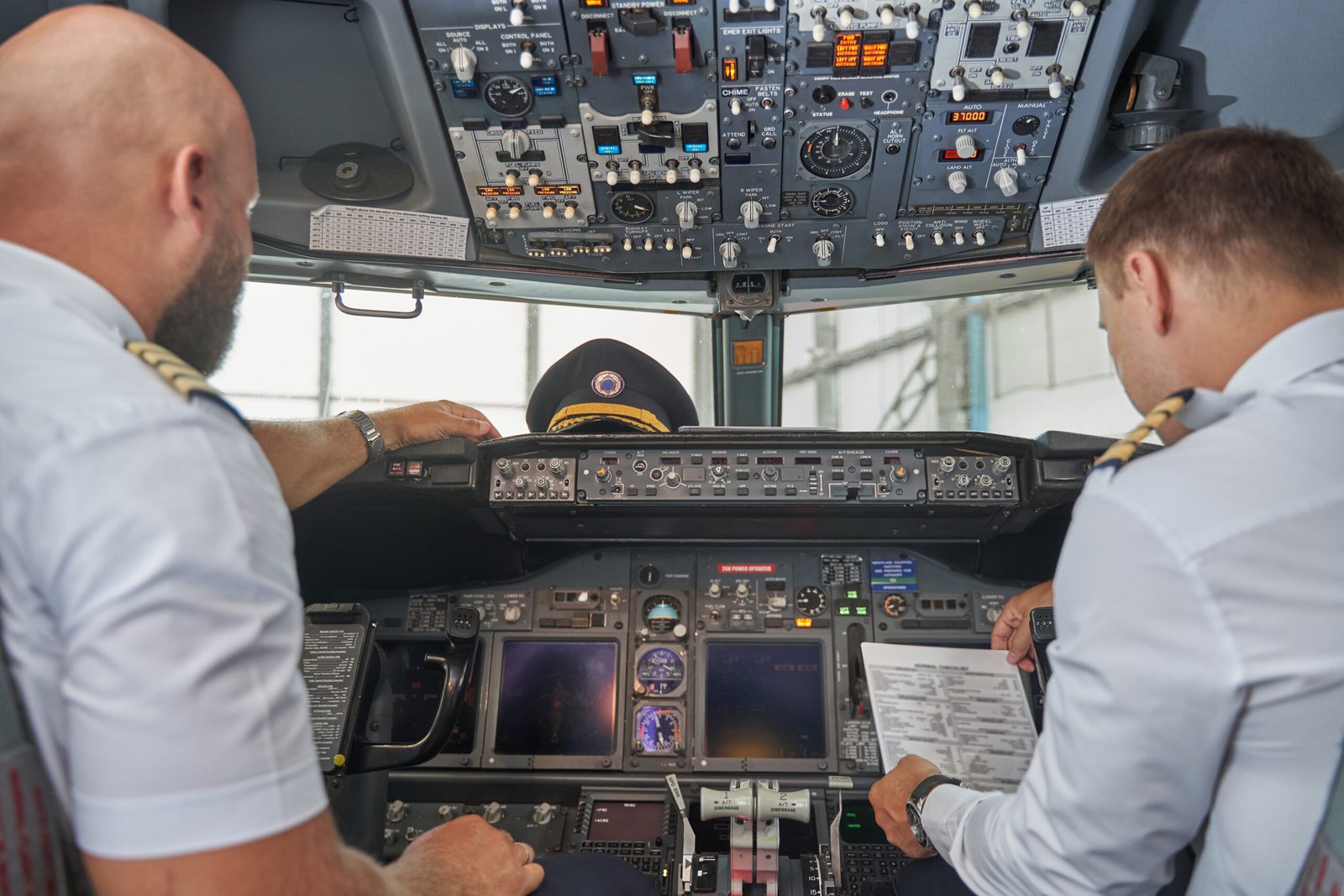
The current “pilot shortage” is often misunderstood. The issue is not the lack of applicants, it is a shortage of experienced, command-ready pilots. In Europe and the U.S., for instance, the demand for pilots continues to outpace supply, but the bottleneck sits in progression.
Breaking down major US airlines’ projected 2026 pilot hiring goals shows just how high demand is. In their estimates, Alaska projected 250 pilots, American Airlines 2000, Delta 1500, Frontier 250, Southwest 872, United Airlines 2500, UPS 300; totalling up to 7672 pilots. Evidently, these are not regional, national or global projections; much more pilots are needed within the wider industry.
For context there were years in the early 2000s when total major airline hiring was zero or practically frozen, particularly after 9/11 and after the 2008 global financial meltdown. Even in pre covid years, public hiring projections were nowhere near these numbers. Furthermore, the 2022 and 2023 surges were historic due to record ‘revenge travel’. Even after the initial rebound wave settled down, hiring is still projected to land at historically elevated levels due to the sheer growth the industry is set to experience.
Airlines need captains, and not just entry level first officers each ime they recruit. In fact, replacing a retiring captain triggers a cascading effect; as internal promotions create gaps further down the chain, pressure is increasingly put on junior hiring.
In Europe, the shortage is significantly more uneven. Legacy carriers with strong cadet programs remain competitive while low cost carriers, regional airlines, cargo operators, and business aviation struggle more acutely when hiring aviation professionals. Furthermore, high training costs coupled with limited financial support and self funded type ratings continue to restrict entry into the profession.
Complicating things further for aviation businesses, the ICAO has also rejected proposals to raise the pilot retirement age beyond 65, a real thorn in the side of regulation doves.
MRO Shortage and the Ageing Workforce
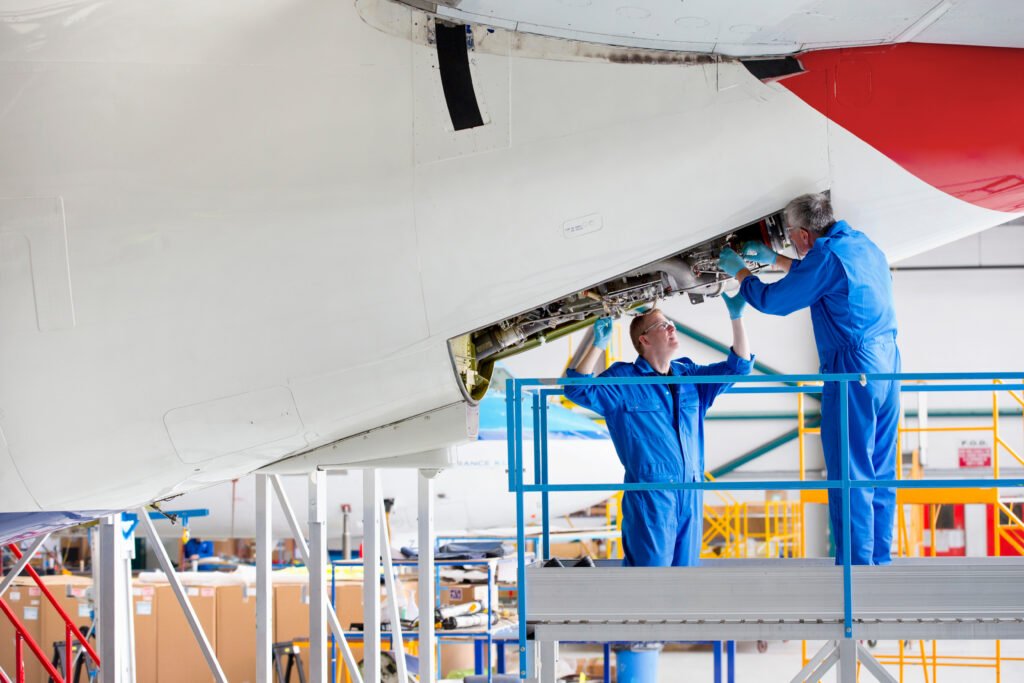
Equally, the maintenance, repair, and overhaul (MRO) segment faces a critical shortage in hiring aviation professionals. In many mature aviation markets, the average age of licensed aircraft technicians already exceeds 50, signaling a looming retirement wave.
Consequently, the industry could face a shortfall of around 60,000 maintenance technicians by 2029 if current trends persist. A key nuance to underline is that the shortage is not just about hiring more aviation personnel, it is also about productivity. Simply increasing headcount is not sufficient; organizations must rethink how work is structured, executed, and supported.
Even with productivity gains, the aviation industry must address a shrinking pool of certifying staff, avionics specialists, and licensed engineers. These are all roles that require years of training and regulatory approval, and cannot be replaced instantly.

Why Hiring Aviation Professionals is Getting Harder
Over the next decade, IATA estimates that the industry will need 300,000 pilots, 416,000 maintenance technicians, 678,000 cabin crew, and 71,000 air traffic controllers globally. Beyond the supply constraints, however, several market dynamics are actively worsening hiring conditions across aviation jobs.
Slow hiring processes are losing talent
In a tight labor market, speed is a competitive advantage. Delayed interviews, lengthy approvals, and inefficient recruitment workflows are causing significant candidate drop offs. Strong candidates often accept faster offers elsewhere, creating the spectre of an even graver shortage.
The industry is reeling from longer time to hire and stronger competition for technical and operational roles. Far from being a temporary challenge, hiring challenges have become the ‘state of the market’.
 Senior roles create bottlenecks
Leadership and accountable manager positions are particularly difficult to fill. These roles require regulatory approvals, compliance experience, and operational credibility. When hiring aviation professionals, vacancies can easily remain open for 6 to 9 months without particular, slowing down entire departments and projects (Aviation Employment Network).
Salary inflation & over specified job requirements
Rising compensation expectations are intensifying competition for aviation talent. When one operator increases pay or benefits, others must follow, creating upward pressure across the market. Smaller operators and MROs are often priced out.
On the other hand, many employers unintentionally shrink their talent pool by demanding overly specific qualifications. Often requiring multiple type ratings, certifications, and leadership experiences within a single role. This reduces flexibility and excludes viable candidates with transferable skills, who could consequently take on additional skills in a relatively short amount of time.

Partner up with Aviation Talent Recruitment Experts
In today’s aviation labour market, airlines and operators cannot rely solely on traditional in house recruitment, even when their HR teams are highly experienced in sourcing aviation talent.
Specialist aviation recruitment agencies add value far beyond candidate sourcing. They provide access to pre qualified talent pools across flight crew, maintenance, engineering, and senior leadership roles, supported by global networks that expand reach beyond local hiring markets. They also help shorten time to hire when hiring aviation professionals; they help reduce candidate drop-off rates for safety critical positions where delays can quickly affect operations.
Importantly, the right partners deliver market intelligence that many internal teams cannot always maintain in real time. Salary benchmarks, regional talent availability, workforce mobility trends, and role-specific hiring pressures all help aviation employers make better decisions. Furthermore, recruitment agencies also support the wider hiring process of aviation professionals. Services such as onboarding management, compliance checks, contract administration, and personnel leasing reduce the internal burden on HR teams while improving speed and consistency. This is especially important in aviation, where regulatory accuracy and documentation are as important as speed.
Mindaugas Rainys, Aerviva CEO, adds: “The strongest value comes when operators engage strategic partners proactively, not only during a staffing crisis. Rather than waiting for urgent vacancies, operational disruption, or unexpected attrition, aviation organisations should integrate external recruitment support into their planned HR workflow. Working in sync with internal HR teams, specialist recruiters can help identify shortages early, help to build sustainable talent pipelines, and maintain continuity across critical functions”.
 Conclusion: A Long Term Talent Reality
The aviation industry is not heading back to a balanced labor market anytime soon. Demand for aviation talent is rising as the workforce is aging, and training pipelines remain constrained.
From pilot shortages to MRO gaps, and from slow hiring processes to rising salary pressure, the data consistently shows that the challenge of hiring aviation professionals will continue to intensify. Organizations that adapt by improving recruitment speed, rethinking job requirements, and partner up with expert recruiters will be best positioned to compete in this evolving landscape.
In that sense, expert recruiters can serve as strategic partners, helping aviation organisations strengthen workforce planning, improve retention readiness, and secure the people they need to stay operational. In a sector where every qualified hire matters, that kind of support is now seldom optional.
Contact Us
 United Arab Emirates