

Green Aviation Jobs: SAF, Decarbonization, and the New Aviation Skills Gap
Green aviation jobs are becoming essential within the industry in view of tightening regulation. EU policy and the UK’s SAF mandate increase demand for low-carbon fuels through 2040, driving recruitment for sustainability expertise. This policy pressure is not abstract. Direct emissions from aviation already account for roughly 3 to 4% of total EU greenhouse gas emissions, and 13.9% of transport‑sector emissions, making aviation the second largest source of carbon emissions in European transport. EU climate law demands at least a 55% reduction in greenhouse gas emissions by 2030 versus 1990 levels, while the UK’s Jet Zero strategy commits domestic aviation to net‑zero by 2040.

In response, airlines and carriers increasingly need to combat their skills gap. Airlines now need hybrid professionals who understand SAF logistics, emissions and carbon compliance, aircraft efficiency, and sustainable operations, not only to meet net‑zero targets, but to also avoid regulatory penalties and competitive disadvantages. Decarbonisation specialists and specialized aviation personnel have become central to aviation HR strategy, making early, targeted recruitment a critical lever for resilience and performance.
Green Aviation Jobs, SAF, and Decarbonization – What’s Really Changing?
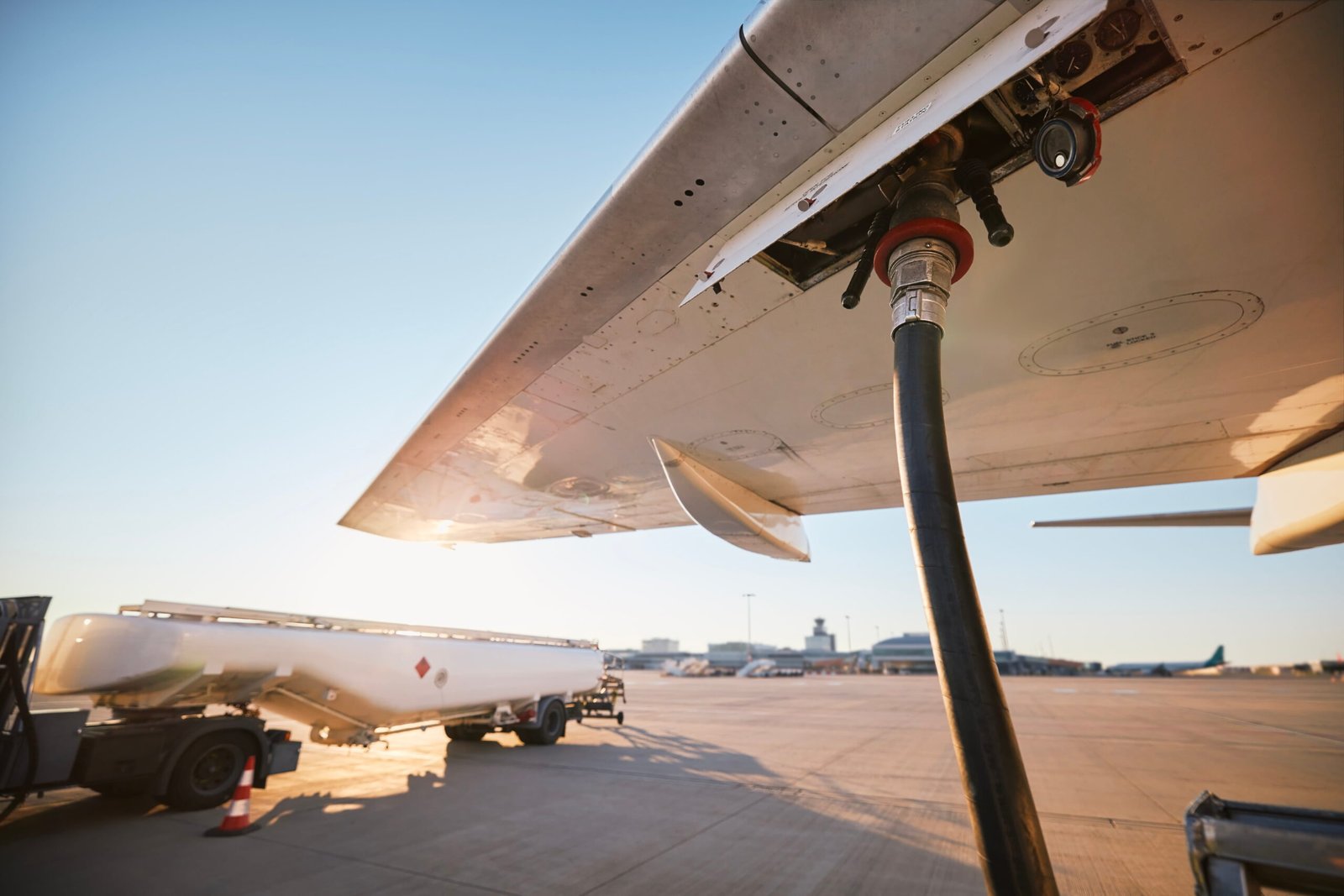
Green aviation jobs have emerged in recent years, and continue to gain momentum in the industry. This is mainly due to decarbonization efforts now being central to stakeholders in the industry, quickly becoming a core operational and compliance priority for airlines. As SAF scales from under 1% of global jet fuel use today toward much higher shares by 2030, carriers face constrained supply, high costs, and complex logistics across their fuel and sustainable operations teams.
In reality, achieving net‑zero requires SAF production to grow by over 50% annually this decade, yet current feedstock and refinery capacity only delivers a fraction of that. This creates immediate aviation personnel challenges since operations leaders must plan around variable SAF availability, fluctuating prices, and new blending requirements at different hubs. The International Air Transport Association (IATA) and the Air Transport Action Group (ATAG) both underline that SAF can cut lifecycle emissions by 26–93% versus fossil jet fuel, but only if infrastructure, certification, and logistics keep pace.
At the same time, global frameworks such as ICAO’s long‑term aspirational goal of net‑zero CO₂ by 2050, and the CORSIA offsetting scheme, are embedding decarbonization into core airline strategy. Furthermore, the World Economic Forum highlights that aviation sustainability is now defined by three pillars: SAF deployment, fleet efficiency, and digital execution. Each pillar requires specialized new aviation skills and HR aviation insights.
Slowly, but surely, aviation and industry leaders need to invest earnestly in their decarbonization efforts. Their HR strategy should immediately give some focus to green aviation jobs along with new tech, to deliver decarbonization at scale and on schedule with regulation.
Notwithstanding the industry’s own efforts to reduce the impacts of climate change, the decision to move away from fossil fuels is increasingly becoming an economic decision, as opposed to just an environmental one, due to global oil disruptions and the quest of nations and companies for independence from disruptive actors.
The New Aviation Skills Gap: From Fuel Specialists to Emissions Analysts
Sustainability roles in aviation
As indicated above, the aviation skills gap is widening since traditional flight operations and maintenance profiles rarely include deep knowledge of carbon accounting, SAF logistics, and regulatory change. Airlines increasingly need hybrid aviation personnel who understand both technical operations and sustainability across fuel planning, compliance, and sustainable operations.
In fact, The UNFCCC COP30 Plan highlights the need for more green aviation jobs by building on existing international frameworks led by industry bodies and governments. Apart from prioritising SAFs, advancing hydrogen, and electric aircraft technologies, it also calls on airlines to invest in modernising air traffic management, stronger international collaboration, harmonised regulations, and new workforce developments to successfully execute the intended goals.
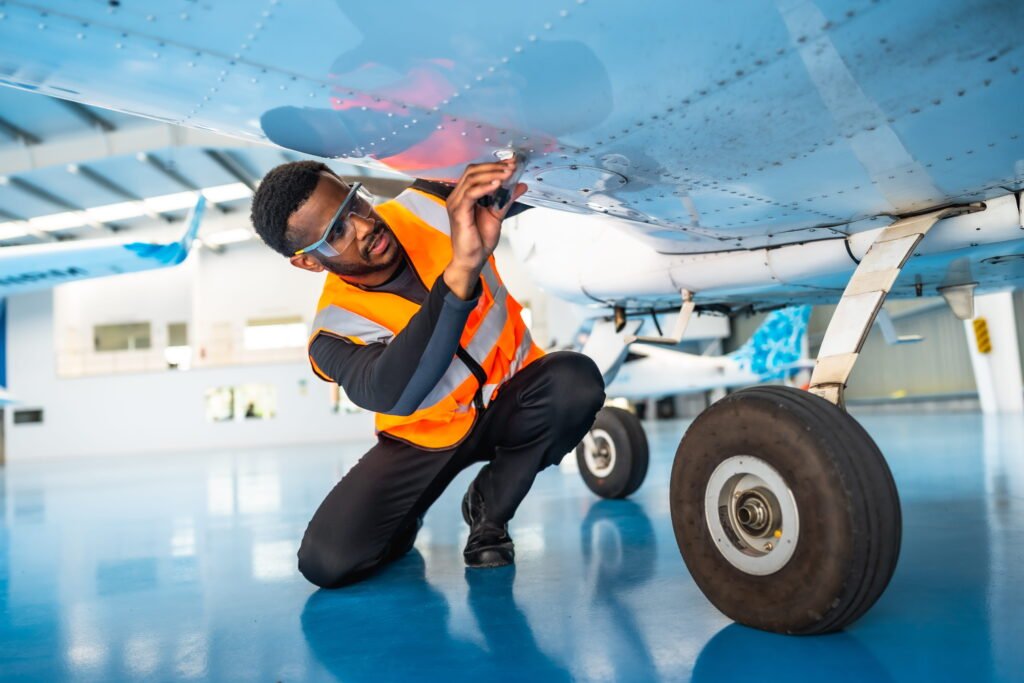
Several aviation sustainability professionals are becoming critical:
- SAF Operations and Fuel Specialists manage sourcing, blending, and infrastructure integration for SAF. They coordinate with refineries, airport fuel farms, and finance teams to balance SAF uptake with cost and supply constraints.
- Emissions and Carbon Compliance Analysts track and report greenhouse gas outputs under ICAO CORSIA, EU ETS, UK SAF mandate rules, and emerging national schemes, translating complex MRV requirements into actionable reporting workflows.
- (MROs) Aircraft Efficiency and Retrofit Engineers focus on fleet renewal, aero‑modifications, and weight‑reduction programs that can deliver 15–20% improvements in fuel burn when combined with new‑generation aircraft.
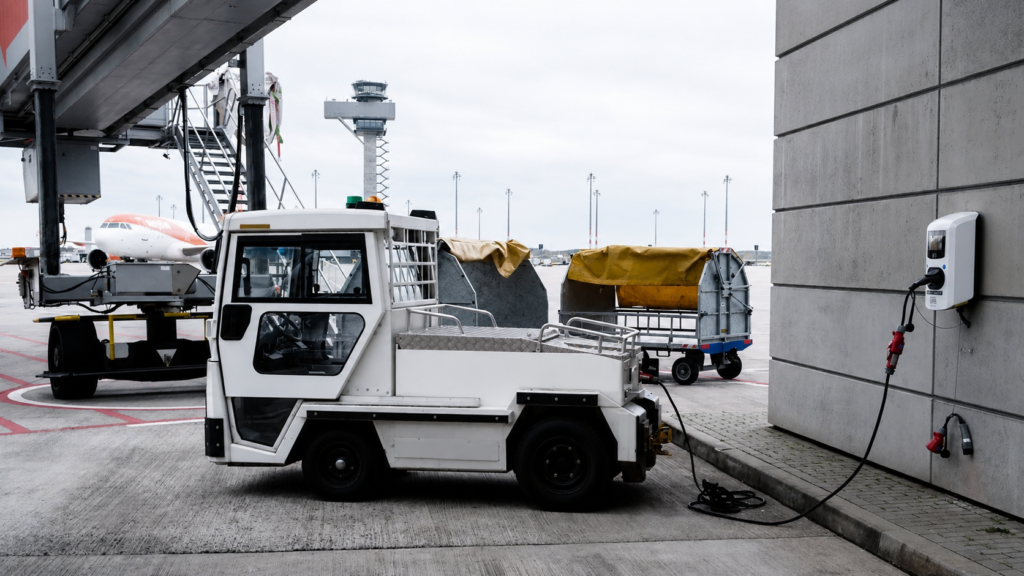
- Sustainable Ground Operations Leads redesign airport processes, such as electric ground power units, optimized taxiing, digital turn-around, to effectively reduce emissions intensity on the ground.
HR is now “taking center stage” in sustainability, with targeted hiring, training, and new job descriptions explicitly referencing decarbonization and SAF. Similarly, Case studies from European carriers point to remote and hybrid work for support functions, cutting travel‑related emissions by up to 40%, and HR systems embedding environmental criteria into promotion and succession planning.
Crucially, however, many airlines lack internal pipelines for these green aviation jobs, forcing them to compete aggressively for a limited pool of specialists with both regulatory and operational expertise.

Why Aviation Employers Must Move First on Green Aviation Jobs
The cost of waiting in SAF and decarbonization recruitment
In this decarbonization sphere, waiting to recruit aviation talent for decarbonisation specialists is increasingly risky. EU ReFuelEU Aviation targets mandate rising SAF blends (6% by 2030 and steep increases thereafter), while EU ETS rules phase out free allowances and raise the cost of fossil emissions.
As a result, carriers find themselves with an immediate need to recruit aviation personnel with ‘green’ skills. Staying at the back of the pack increases the risks of mis‑reporting emissions data, employing MROs and engineers with missing skills in new green tech, missing SAF blending targets, delaying fleet retrofit projects, and losing competitive ground to carriers who have already staffed their green teams. Delays can trigger regulatory penalties, higher carbon costs, and negative investor and public perception, precisely when aviation is under scrutiny for climate performance.
Avoid putting more pressure on your HR Team
Workforce solutions: Partner up with aviation recruitment experts
Aviation recruitment experts undeniably enter the equation. Apart from the strategic importance, recruitment partners become all the more important for airlines and operators seeking robust workforce solutions.
Mindaugas Rainys, CEO of Aerviva, adds: “Airlines need consultants who understand the operational realities of SAF deployment, maintenance and repair (MRO) requirements, and the compliance workload behind decarbonization. This can only be achieved by leveraging sector‑specific networks, and working with partners who connect operators with aviation personnel who combine technical backgrounds with proven experience in sustainability, regulatory change, and reporting”.
For HR directors and executives under pressure to build green project teams, partnering with a dedicated aviation HR agency reduces time‑to‑hire and mitigates the operational risk of critical roles remaining vacant.
Talent mapping across aviation jobs is especially important to accelerate decarbonization projects, avoid compliance bottlenecks, and future‑proof their organizations against the next wave of sustainability requirements. Keeping in mind the macro view of the aviation industry, and where it is going, operators will increasingly need to to secure the right aviation talent before the skills gap widens further.
Conclusion: Closing the Aviation Skills Gap Before Decarbonization Leaves You Behind
Despite backlash within the industry, decarbonization looks to be more and more non‑negotiable. SAF, emissions pricing, global oil disruptions, and global net‑zero targets are converging to redefine how airlines operate, and, crucially, who they hire. As green aviation jobs become central to business strategy, HR teams ought to treat aviation personnel recruitment as a core risk control.
By moving early and partnering with aviation‑focused workforce solutions providers, airlines and can close the emerging aviation skills gap, secure scarce hybrid profiles, and ensure that SAF and decarbonization initiatives translate into compliant, efficient, and competitive operations.
Contact Us
 United Arab Emirates