



Aircraft Delivery Delays: Why Fleet Diversification Is Creating New Aviation Recruitment Demand
Aircraft delivery delays are having a direct impact on aviation recruitment demand. As airlines are deemed to experience aircraft delivery delays well into the 2030s, this has shifted the priority for aviation HR recruitment teams from hiring new personnel knowledgeable only on the latest tech, to retaining staff with niche skills and varying their workforce. This, in order to effectively keep operations smooth as older aircraft stay longer in fleets.
To date, aircraft availability remains one of the most significant constraints on the aviation industry’s expected growth. Airlines should prioritize recruiting versatile maintenance and engineering talent as MRO demand grows, and benefit from recruitment specialists for a rounded workforce strategy to meet the new aviation recruitment demands.
Aircraft delivery delays are now a long-term, structural issue
The challenge of aircraft delivery delays was directly tackled by AIATA’s own Willie Walsh during IATA’s 82nd Annual AGM and World Air Transport Summit: “The aircraft order backlog is over 18,000. And the average fleet age has reached a record 15.2 years. Moreover, being short over 5,000 more fuel efficient replacement aircraft that we had counted on, means missed efficiency gains, not to mention higher lease rates and increased maintenance costs”. Furthermore, amid delivery delays are issues born out of engine shortages, and supply chain fragility due to geopolitical uncertainty.
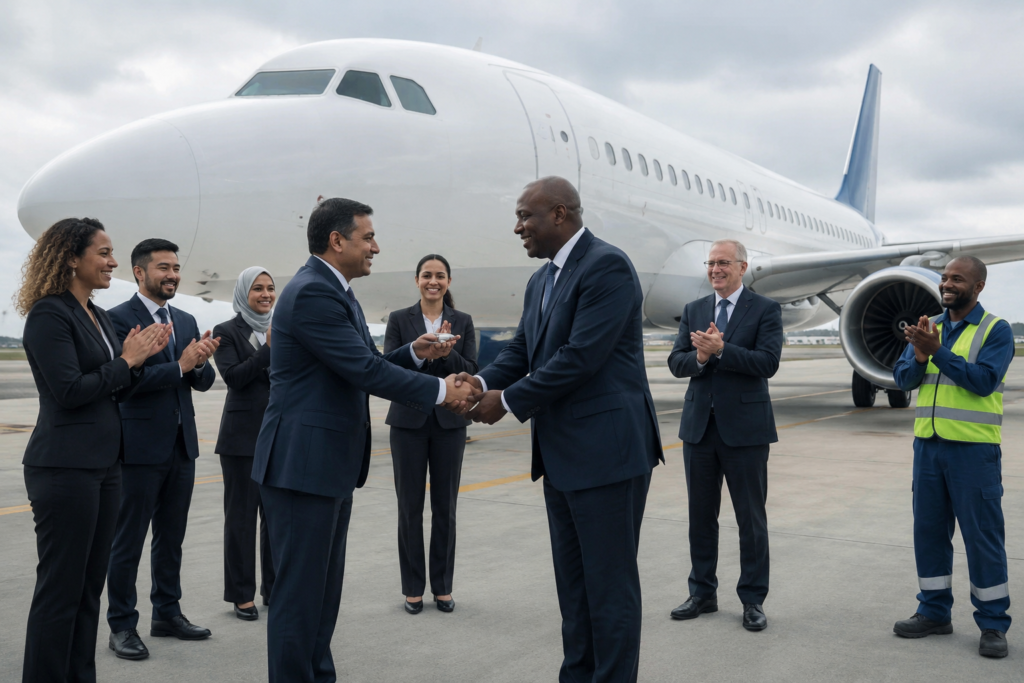
Fleet renewals for airlines are much slower as a result, and might come to a complete halt for some carriers. Airbus, for instance, has informed some airline and leasing customers that deliveries of certain A320neo-family aircraft scheduled for 2027 and 2028 will be delayed by several months.
Likewise, Boeing has faced wiring flaws that could delay deliveries of 737 MAX jets. The setback is the latest quality-control challenge for Boeing, as CEO Kelly Ortberg seeks to improve manufacturing standards and restore confidence in the company. Despite the delays, Boeing maintains that this issue will not affect its goal of delivering approximately 500 737 aircraft in 2026. In step, Riyadh Air has taken delivery of its first two Boeing 787-9 Dreamliners, marking a key milestone before launching operations. However, there are a myriad of significant obstacles within Boeing’s production line, including ongoing quality control requirements and the FAA’s close oversight. Questions remain whether Boeing Boeing can maintain key quality metrics within acceptable limits before further rate increases are approved.
Aviation industry workforce trends are changing with the fleet
This situation has prompted a change in recent aviation recruitment demands. The reason is simple; when fleets cannot grow or refresh on schedule, airlines keep older aircraft flying longer, increasing maintenance costs and stretching technical teams. In reality, older aircraft staying in service longer is a direct effect caused by supply chain bottlenecks.
The aviation industry will need close to 1.5 million new staff over the next decade: 300,000 pilots, 416,000 aircraft maintenance technicians, 678,000 cabin crew, and 71,000 air traffic controllers. These calculations may have been made with some supply chain issues in mind, but it is hard to gauge just how much of these projections will be affected due to changing trends in aviation fleets.
Fleet Diversification is Driving New Aviation Workforce Needs
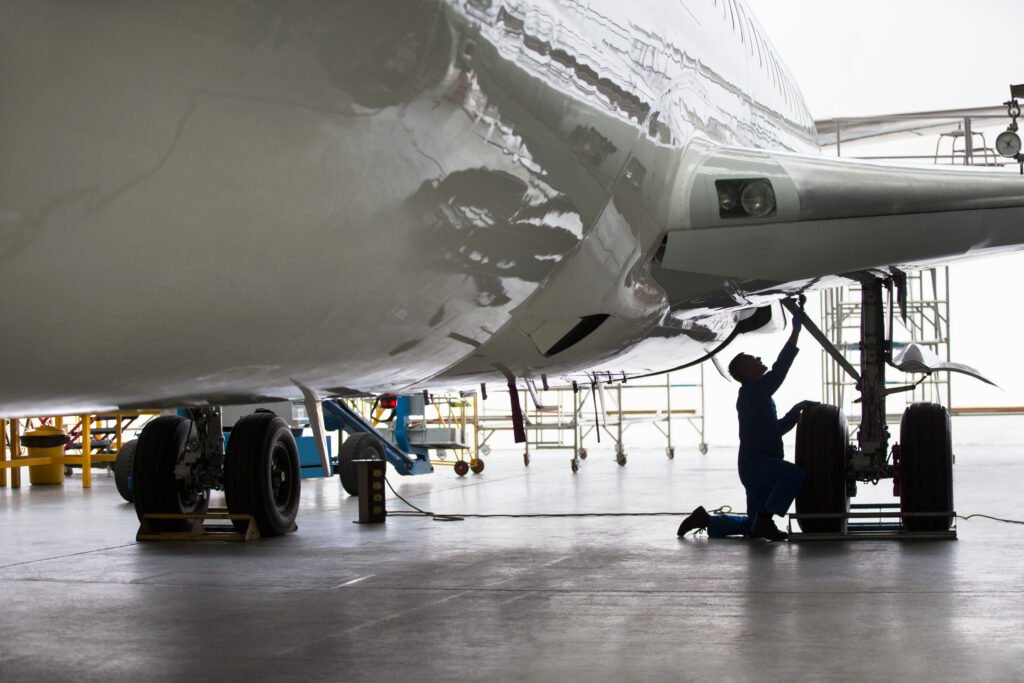
Airlines are mixing narrow-body, wide-body, and regional aircraft across networks normally served by a more standardized fleet. Subsequently, some carriers are already using suboptimal aircraft types more often due to supply constraints. This is a response to limited delivery availability and an 11-year backlog extending to 2034.
Mixed fleets are creating new aviation workforce needs, especially in technical roles where aircraft type differences matter. Different fleet types require distinct maintenance procedures, with the use of varying spare parts, training paths, and operational requirements.
Why mixed fleets increase Aviation Recruitment Demand
Although delivery delays continue to constrain expansion plans, carriers are finding ways to sustain growth, remain competitive, and respond to strong passenger demand until new aircraft are delivered. That is how the operational burden of mixed fleets is creating rising aviation recruitment demand.
The more varied the fleet, the more important it becomes to hire people with adaptable, aircraft specific expertise. Airlines are focusing on maximising the productivity of available assets while preserving profitability.
Maintenance and engineering recruitment demand
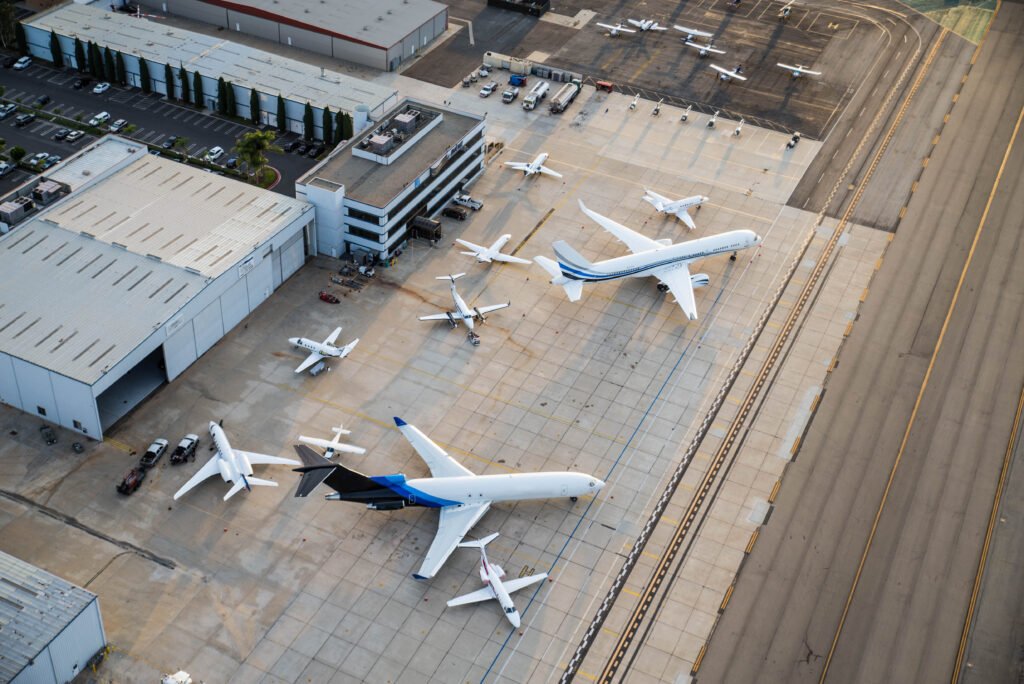
Aviation employers are actively intensifying recruitment efforts because demand for maintenance technicians continues to grow, with an estimated global shortage of approximately 22,000 aviation maintenance technicians by the end of this year, rising toward 60,000 by 2029 if current trends continue.
A case in point is ST Engineering, which has been investing to expand maintenance capacity to meet increased workloads. The company has been growing its MRO workforce and facilities to support airlines extending aircraft lifecycles. At the same time, Lufthansa Technik has been undertaking major recruitment campaigns for engineers from the past year, mechanics and apprentices to meet growing maintenance demand across aging fleets.
In another example, Air New Zealand reported that engine problems and aircraft delivery delays had grounded as much as 20% of its fleet. The airline has been investing heavily in engineering and maintenance resources to return aircraft to service and manage prolonged maintenance requirements.

Insight: Aviation Recruitment Demand for Airlines
Aircraft delivery delays and engine reliability issues are increasing maintenance demand. In step,aviation MRO is growing in recruitment demand and knowledge versatility. Consequently, forecasts show that annual MRO spending will rise from US$120 billion to US$156 billion by 2035. Recruiting in aviation is increasingly about sourcing highly specialized maintenance and engineering talent.
For aspiring pilots, the impact is mixed but ultimately hopeful. While delays may temporarily slow recruitment at some airlines, long term demand for pilots remains strong due to fleet renewal needs, industry growth and retirements among experienced flight crews. Notwithstanding, pilot training remains a worthwhile investment, since demand is expected to outpace supply over the coming decades, creating sustained career opportunities despite short term industry challenges.
Strategic recruitment: what airlines should prioritize next
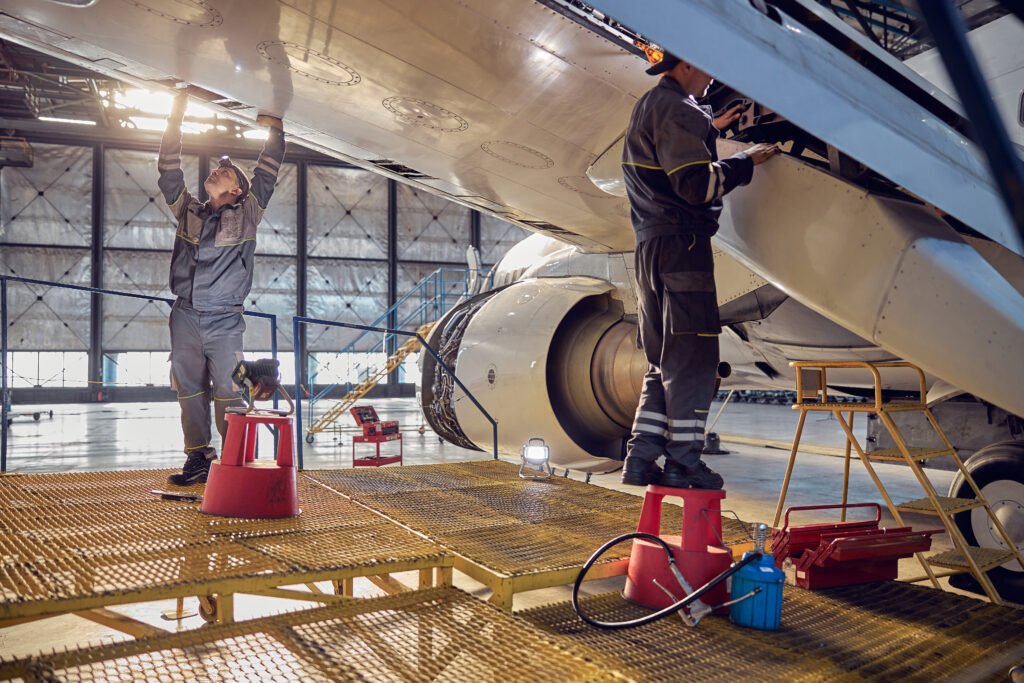
Airlines should look for technical flexibility when recruiting, not just single-type experience personnel. Furthermore, carriers can build stronger maintenance and engineering pipelines via sustainable and growth-inclined aviation workforce solutions. As aviation recruitment constantly evolves, workforce planning is essential for any airline success.
The aviation industry is seeing increased demand for aviation maintenance technicians, particularly those skilled in drone technology and advanced air mobility (AAM) vehicles, with projects requiring pilots and technicians capable of operating AAM vehicles.
In assisting airlines with recruitment services, Aerviva CEO Mindaugas Rainys confirms that “Over the past few years, we have seen growing demand not only for B1 and B2 licensed engineers, but also for a wide range of other MRO professionals. Delays in new aircraft deliveries, combined with ongoing geopolitical and supply chain challenges, have forced operators to rely on existing fleets for longer than anticipated. As a result, the need for skilled maintenance, engineering, and technical personnel is expected to continue growing in the years ahead”.
As the aviation talent pool becomes more demanding in terms of niche and specialized roles, aviation organisations increasingly seek the benefits of recruitment agencies. Airlines often need the support of end to end recruitment and contracting services for aviation professionals to realistically improve their current workforce solutions, but to also prepare their workforce for current or future shocks. Ultimately, airlines should look for global aviation recruitment agencies that understand type ratings, technical certifications, and the realities of aviation hiring, and aim for specialist sourcing as opposed to just generalist hiring.

Conclusion: Current Aviation Recruitment Demands
As new aircraft delivery constraints continue through the rest of the decade, airlines will need more than new aircraft orders to stay resilient. Their aviation workforce will inevitably maintain some form of mixed fleets for some duration of time. The difference will lie in their hiring strategy, and overall workforce solutions.
For airlines building out technical teams to stem the current necessities in aviation personnel skills, aviation recruitment professionals can help source the aviation talent needed to support maintenance, engineering, and fleet transition demands. In order to reduce downtime, successfully gain the required skills within their workforce, and gear their operations for growth, global aviation recruitment agencies are surely their best way forward.
The main takeaway is that the talent market is moving toward people who can work with AI, not around it. Consequently, aviation companies that adapt their recruitment strategy early will be better positioned to reduce operational friction and strengthen resilience. Conclusively, AI is not replacing people anytime soon. Aviation organizations should treat AI as a workforce redesign issue as much as a technology upgrade. That is where the next hiring advantage will come from.
Contact Us
 United Arab Emirates