



In May 2022, Martin returned to Manchester after a holiday in Cyprus. Following a five-hour flight from Paphos, he had no idea that his journey was far from over. Due to operational challenges faced by ground handling providers at Manchester Airport, he would spend nearly four more hours waiting for a single suitcase filled with gifts for his family.
Martin is a fictional character, but the incident is real. While this is an extreme example, it illustrates just how much passenger experience depends on the efficiency, coordination, and professionalism of aviation specialists working on the ground.
As ground operations navigate through check-in queues, baggage delays, gate changes or irregular operations, outsourcing is becoming the cost effective option. When something goes wrong, passengers blame the airline: ‘on-time performance’ and social media have made ground operations a primary brand differentiator.
Airlines that staff outstations with well trained, empowered teams, can recover faster and protect customer trust to ultimately reduce the reputational cost of disruption. Operators that rely too heavily on fragmented outsourcing models risk losing control of the moments passengers remember most. Together with ground operations outsourcing, airlines need to implement better staffing models to minimize their reputational risk.
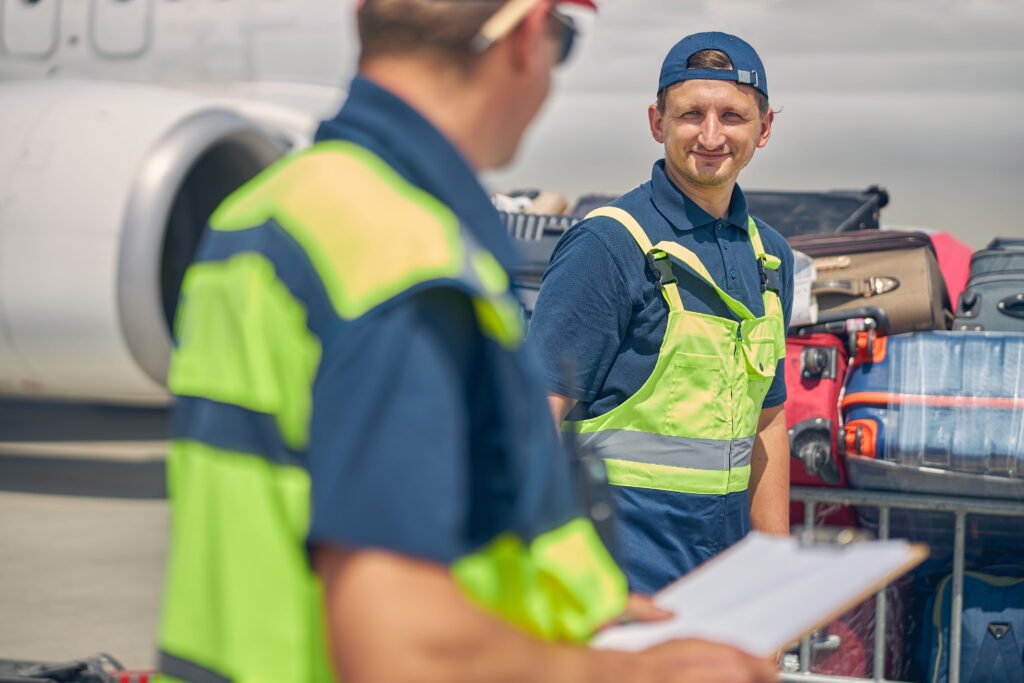 Ground Operations: Flexibility & Standards have a Price
The brand risk of weak ground staffing and what passengers remember
Ground operations has evolved to cover a wide range of airport services, including check-in, boarding, baggage handling, ramp services, cleaning, fueling, aircraft deicing, and passenger assistance.
Flexibility has a price, however. When ground staff are not properly trained, empowered, or aligned with the airline’s service standards, passengers’ experience suffers. Carriers not only need experienced staff on demand, they need to provide a customer-experience function in crucial passenger-facing operations.
In 2022, half of all flights across Europe were delayed with almost 2,000 cancelled every single day, with long queues, staff shortages, and strikes that only intensified the disruption. The UK Government’s subsequent review of ground handling identified recruitment and retention as a core challenge. When airlines save on staffing but lose customer trust in the process, the long-term financial impact can be far greater.
Passengers do not remember every on-time flight. They remember the missed connection, the lost bag, the long queue, or the agent who could not help. Research shows that timely and intact luggage delivery, staff engagement in problem solving, short baggage delivery times, and personalised attention during boarding and connections are key areas for improvement for airlines.
To wit, a study found an exact dissatisfaction coefficient when assessing ground handling services, and how significantly they affect passenger satisfaction. With a correlation coefficient of 0.821 and an 82.1% coefficient of determination for arrival baggage service, it confirms that baggage performance is as much a customer experience metric as an operational one.
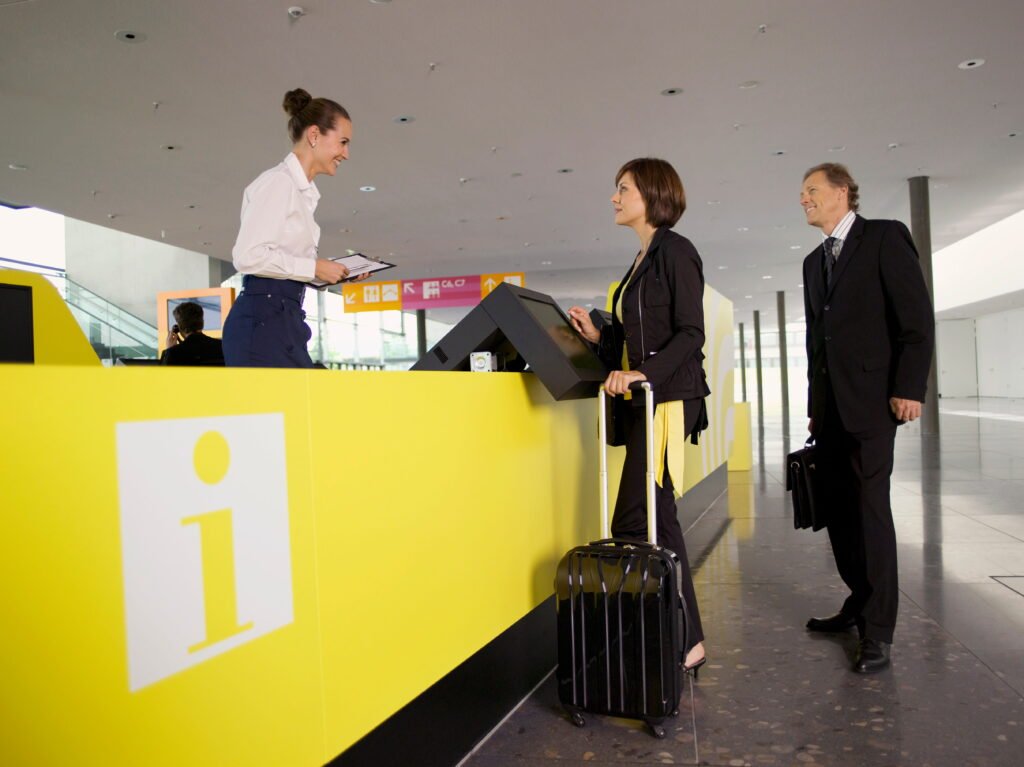 The Commercial Case for Better Staffing Models: Ground Operations Outsourcing
As frontline workers coordinate passenger service, baggage handling, facilities, maintenance and disruption response in real time, they seldom use systems designed to work together. Inevitably, this compounds commercial risks for airlines; with delayed bags, missed connections, or a poor rebooking experience, can undo the value of a regular fare – let alone a premium cabin, a loyalty programme, or a carefully managed brand promise.
When it comes to hard numbers, the overall operational disruptions of ground handling failures are very costly. One study found that ground handling delays usually emerge from linked error chains involving staffing, communication, equipment, planning, and passenger-related issues. Crucially, personnel shortage was the strongest common root cause, accounting for 13.95% of responses. The research further established that ground handling processes directly accounted for 24.6% (4.3 minutes) of average per-flight delay in 2024, while reactionary “knock-on” delays accounted for 45.7% (8.0 minutes); in tandem, 70.3% of the delay burden was directly or indirectly linked to ground handling.
Moreover, EUROCONTROL’s delay tracking further estimates that 27% of delays are directly attributable to internal airline operations, which includes boarding, baggage handling, ground preparation, and technical issues.
This lack of workforce capacity has become a premium aviation constraint, especially during irregular operations. To this end, recruitment partners help airlines with ground operations outsourcing to build the right staffing model for each station. Rather than relying on generic job specifications, aviation recruitment specialists define role profiles, benchmark local talent availability, and identify where contract or project-based staffing makes the most commercial sense.
In fact, a study of 373 outsourced ground handling staff found that welfare, training, career development, and workplace atmosphere all significantly influenced staff satisfaction.
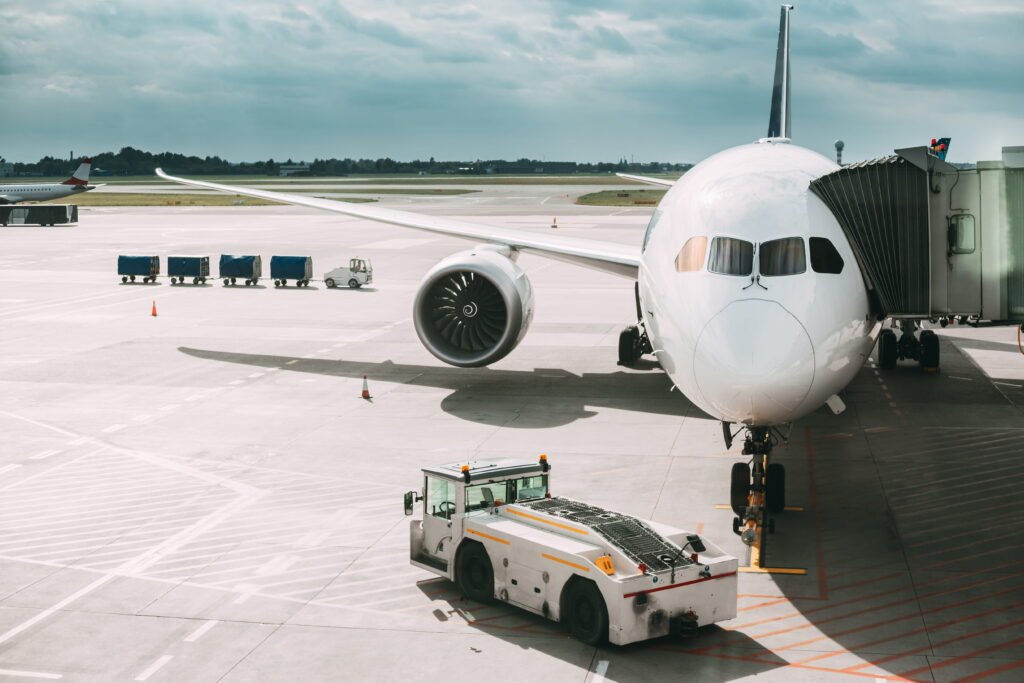 Recovery gap during irregular operations
Fewer staff, or too few specialised staff, translates to less operational buffer when disruption hits, and slower recovery as a consequence. This becomes all the more apparent when irregular operations (IROPS) occur; when staffing models are tested the most. Ground handling must be redeployed across shifts, terminals, often with qualification types under tight regulatory and labour constraints. Airlines that rely on thin staffing models struggle to maintain service quality during peak disruption. Ground operations outsourcing offers a resilient workforce solution that accounts for IROPS.
Case study: Thai Airways and the Bangkok floods
In September 2026, heavy rain and flooding disrupted ground operations at Bangkok’s Suvarnabhumi Airport. Thai Airways’ operations were crippled due to this natural disaster together with staff shortages, leaving about 5,600 bags stranded. Passengers described confusion, difficulty in finding baggage, and uncertainty about onward travel. The airline eventually had to cut about 30 flights, roughly 30% of planned departures from Bangkok, and reported that almost 100% of flights over two days were delayed, with fewer than 3% on schedule.
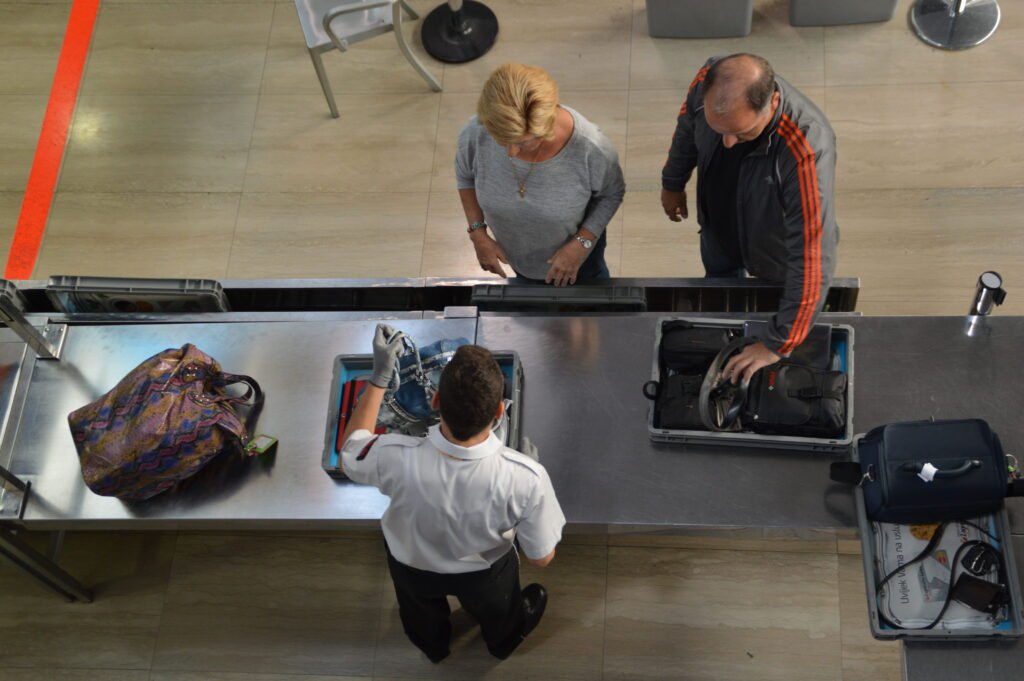 Case study: WestJet and the social media effect
In August 2026, WestJet flight attendants went on strike due to repeated understaffing issues, leading to flight cancellations that affected about 250,000 travellers during a busy holiday weekend. The airline said it would refund or reaccommodate affected passengers, but some travellers used social media to report their struggle to reach customer service and to understand what to do next.
These cases highlight how ground staffing gaps translate directly into reputational cost. In most instances, ground handling teams play an important role in managing the consequences, particularly as airlines deal with significant operational challenges on the ground. However, when operational capacity cannot be sustained, passengers feel the failure immediately, and they now have the means to let the world know in an instant. Without the right staffing models or ground operations outsourcing, operators are bound to encounter such situations over and over again.
Building a Resilient Ground Workforce
Airlines need workforce solutions that combine contract personnel and surge capacity. To achieve this, airlines need better planning tools, stronger self service options and improved queuing processes across airports. But technology alone is not enough. The right people, with the right training and authority, are essential.
A strong staffing model should include:
Recruitment partners help airlines build this model type. They support precision recruitment, skills based hiring and the development of hiring funnels that identify aviation talent with the right mix of operational knowledge, customer service skills, and digital savviness.
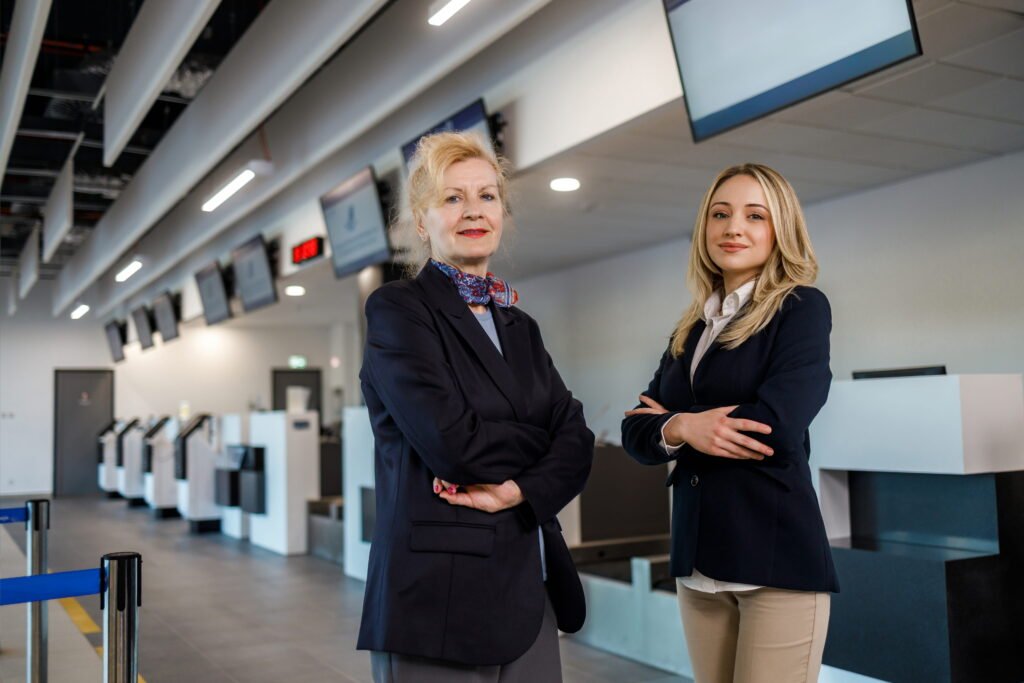
The strategic shift in ground operations outsourcing
In the aviation world, the future of recruiting needs to account for its own anticipated growth. Forecasts project that the aviation industry will need to hire 2.44 million people over the next two decades, and ought to build resilience now.
This scale of hiring will put pressure on ground operations, customer service, and support functions. Airlines that invest in strong staffing models now will be better positioned to protect customer experience, operational performance, and brand reputation.
Conclusion: What Aviation Leaders Should Do Next
Airlines should treat ground operations outsourcing as a strategic capability, not just a procurement decision. They need to invest in training, governance, and workforce planning that protects the passenger journey.
“Investing in staff training, effective workforce planning, and operational oversight is not only about ensuring a seamless passenger experience and protecting an airline’s reputation. It also directly contributes to operational efficiency, financial stability, and long-term business sustainability,” says Jekaterina Shalapanova, Chief Business Officer (CBO) at Aerviva.
Beyond minimizing reputational risks, the right recruitment partners can help airlines access a broad network of aviation professionals, strengthen regulatory compliance, and build resilient ground operations teams. Only then can airlines transform staffing from a cost centre into a competitive advantage, particularly when disruption hits.”
Contact Us
 United Arab Emirates