

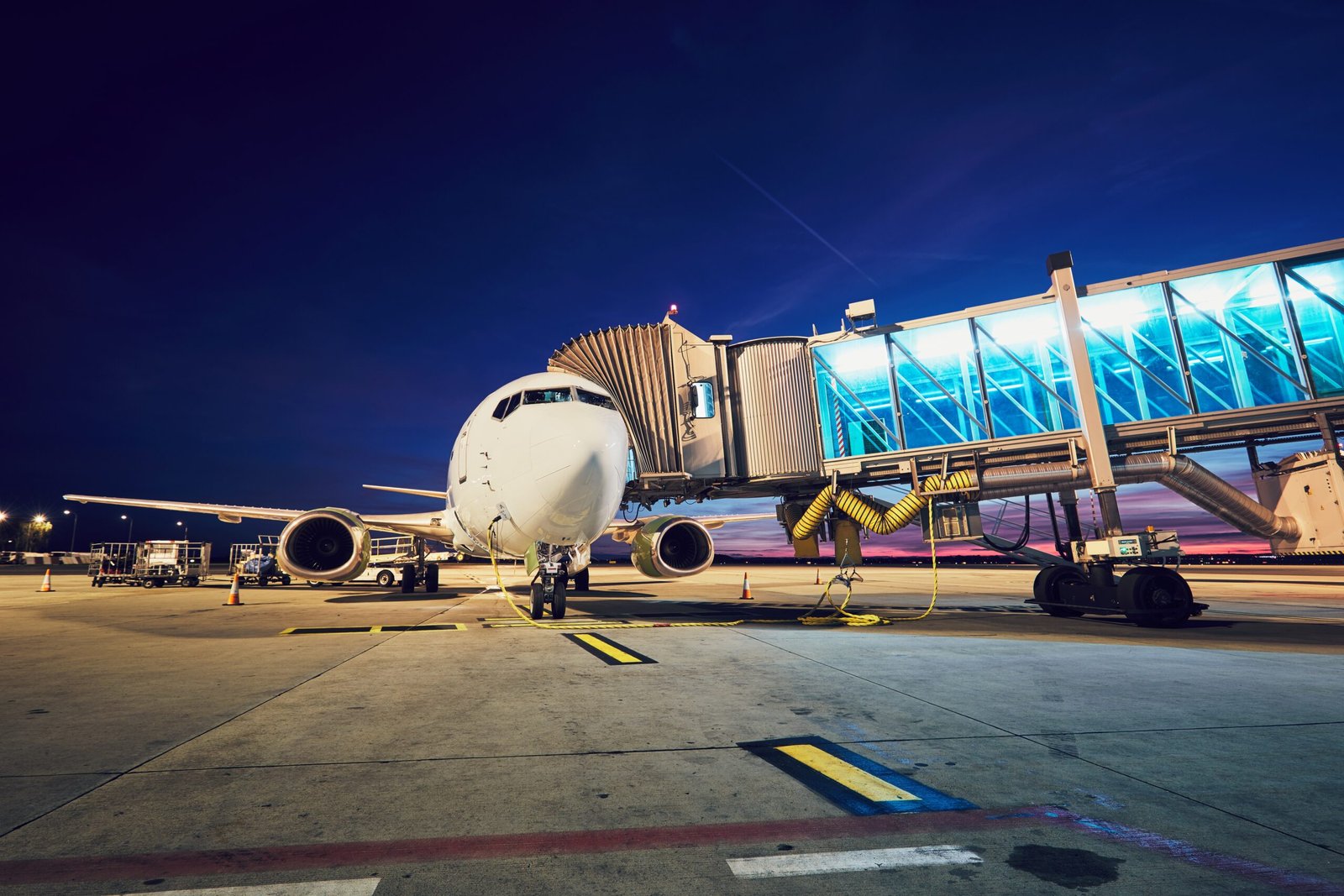
When the aviation industry looks towards 2026, pilots, flight attendants and engineers face a landscape that’s evolving faster than ever before. New regulations, changing passenger behaviours, emerging technologies like AI and digital twins, and labour market pressures are changing the trajectory of the traditional aviation career. Irrespective of whether you’re in the cockpit, walking the cabin aisle, or working in hangars and MRO shops, staying competitive means anticipating these trends now.
Here we highlight key challenges and strategic priorities that aviation professionals must understand in 2026 to thrive in an increasingly complex, tech-driven and safety-critical environment.
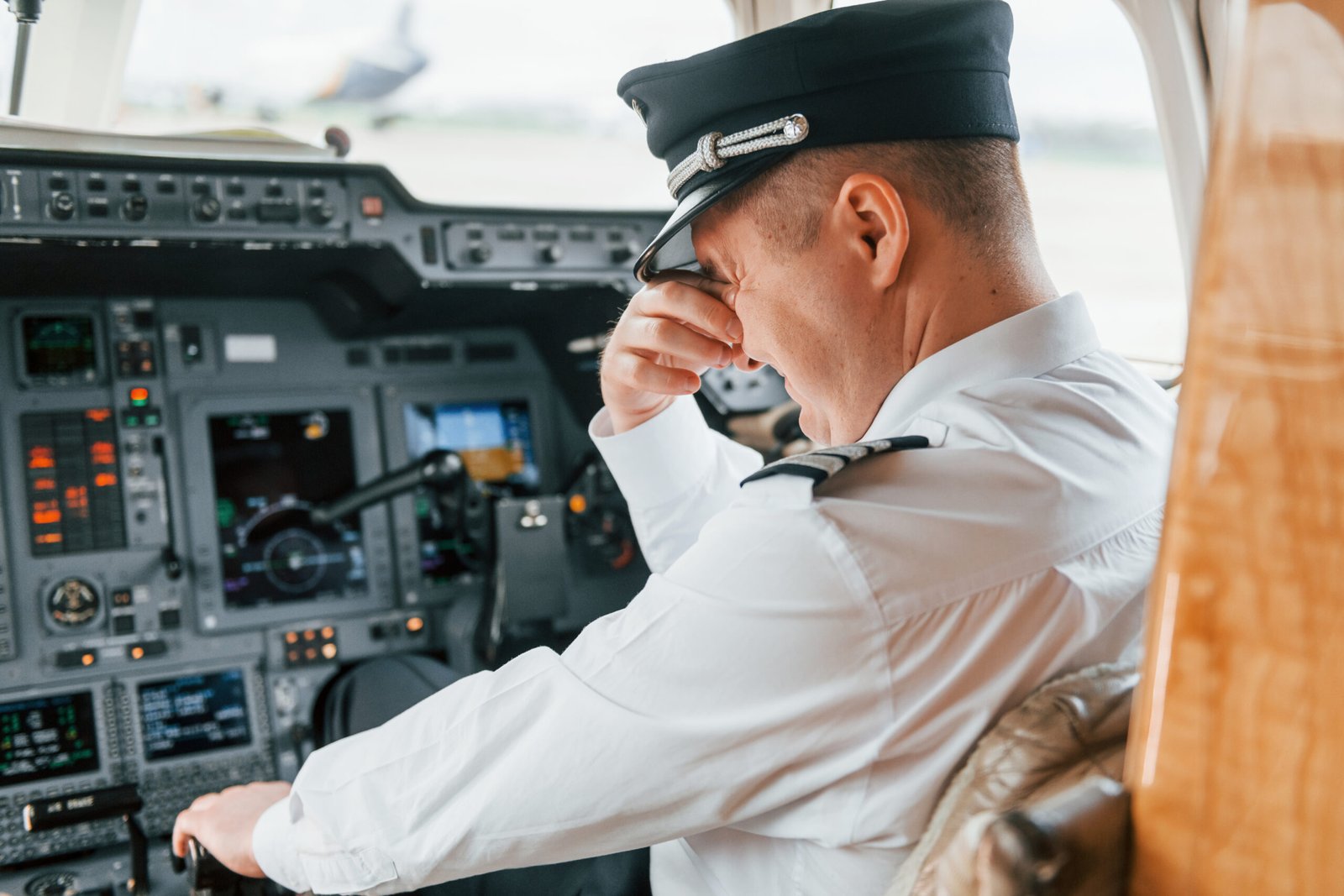
Pilots: Fatigue Management, AI Cockpit Integration & Evolving Responsibilities
As flight decks become more automated and regulatory oversight intensifies, the pilot’s role is shifting from traditional stick-and-rudder flying toward systems oversight and risk management. Pilots will soon need to balance human judgment with AI-assisted tools while navigating new fatigue, compliance and competency expectations.
1. Fatigue Management Takes Centre Stage
Regulators in multiple countries are tightening rules around pilot rest requirements and fatigue management. In response to growing safety concerns tied to irregular schedules and cognitive load, authorities such as the FAA and EASA are expected to enforce more rigorous fatigue-risk management systems across airlines. Studies indicate that Night duties, both those longer and those shorter than 10 hours, are associated with an increased probability of high levels of fatigue. This will influence how rosters are built and how airlines rotate crews to minimize fatigue-related safety risks.
Pilots in 2026 and beyond, will need to be fluent in modern fatigue assessment tools, understand data-driven roster optimisation principles, and engage actively in safety reporting without fear of repercussion as regulators sharpen emphasis on a “just culture.”
2. AI-Assisted Cockpits Are Coming, Quickly!
Cockpit technology continues to evolve rapidly. Advanced automation and AI-assisted systems are being prototyped and informally trialled between 2025 and 2027, signalling a shift in pilot responsibilities from manual flying to oversight of complex, computer-assisted decision systems. These technologies assist with navigation, systems monitoring, and workload reduction, but they also require pilots to develop new skills in system management, human-machine interaction, and anomaly interpretation.
Rather than replacing pilots, these tools augment situational awareness. The trade-off is that pilots must stay current with ever-changing avionics suites and risk-prediction algorithms, otherwise they risk losing credibility with both chart and machine. For pilots, the challenge in 2026 is not whether AI is coming, but whether they are prepared to fly with it and to maintain authority when automated systems fault or misinterpret a situation.
“We’re seeing the pilot role evolve faster than at any point in recent history. The fundamentals of airman ship remain similar, but future-ready pilots will be those who can manage automation and make confident decisions whilst interpreting data, and all, at times, when systems don’t behave as expected” says AERVIVA’s CBO, Jekaterina Shalopanova.
Cabin Crew: Unruly Passengers, New Training & Psychological Preparedness
1. Unruly Passenger Incidents Are Increasing
Cabin crew continue to face a troubling reality: disruptive passenger behaviour remains a persistent safety issue. While global figures differ remotely by region, IATA reports that disruptive incidents occur at a rate of around at least one incident per 480 flights in 2023, pointing to ongoing challenges in passenger management.
Between 2023 and 2025, airlines globally have noticed marked increases in reports related to unruly or intoxicated passenger behaviour, including interference with flight attendants, refusal to comply with safety instructions, and conduct that jeopardizes orderly flight operations. These events create operational disruptions and increase stress on cabin crews, who are primarily responsible for onboard safety and conflict intervention.
2. New Psychological Preparedness Protocols for Cabin Crew
In response, regulators such as the European Union Aviation Safety Agency (EASA) are introducing new Cabin Safety protocols focused on psychological readiness and conflict de-escalation that will take effect in 2026. While full regulatory text is still being codified, this increased emphasis points to expanded expectations around crisis behaviour training, threat assessment, and mental resilience support. Such training goes beyond traditional safety briefings and positions cabin crew as behavioural risk managers in addition to service professionals.
3. The Soft Skills Gap
To stay competitive, cabin crew must bring strong interpersonal, behavioural and psychological skill sets to the table. Successful attendants in 2026 will blend emotional intelligence with enhanced safety leadership, enabling them to handle conflict scenarios without compromising service quality or passenger experience.
Engineers: Digital Twins, AR Manuals, Robotics & AI Diagnostics
1. Digital Twins Are Becoming Operational Reality
Aircraft engineers are entering an era where paper manuals and fixed checklists give way to digital twins, virtual models of aircraft subsystems that mirror real-world performance in real time. Airlines and MRO organisations are already using digital twins to simulate wear and tear, pre-empt component failures, and even optimise maintenance schedules based on actual aircraft usage patterns.
In 2026, engineers must be proficient not only in hands-on mechanical skills but also in data analysis, sensor interpretation and digital model validation. The ability to collaborate with digital assets will be a core competency for modern maintenance professionals.
2. AR-Based Manuals & AI Diagnostics
Traditional maintenance manuals are rapidly being supplanted by augmented-reality (AR) interfaces that overlay procedural instructions directly onto aircraft components. AR and AI-driven diagnostic systems reduce human error and improve consistency as well as accelerate task execution, especially for complex line-maintenance or avionics checks. Engineers of 2026 will need to be familiar with these interfaces and able to interpret AI-generated fault predictions.
3. Robotics in Narrow-Body Maintenance
Robotic inspection systems are advancing from experimental projects into widespread operational use. For example, many airlines are implementing the use of Autonomous Inspection Drones, these drones are equipped with high-resolution cameras and AI-powered image analysis software, from providers like Donecle and Airbus. These platforms are being trialled for inspecting aircraft structures ranging from fuselage seams to wing surfaces, accelerating inspection time and reducing human exposure to repetitive strain tasks.
By 2026, narrow-body aircraft, which account for the bulk of short- and medium-haul operations, are expected to see broader deployment of robotic and semi-automated inspection systems. Maintenance specialists must increasingly view robotics as a partner that amplifies efficiency and accuracy.
Strategic Priorities to Stay Competitive in 2026
The challenges facing aviation professionals in 2026 are not isolated to one role or discipline. They reflect a wider shift in how the industry operates and regulates. Based on these trends, here are actionable priorities recommended for professionals in the industry:
- Invest in continuous learning, embrace training in AI systems, digital twins, fatigue risk management tools, and AR diagnostics.
- Develop emotional intelligence and conflict management skills to handle rising instances of unruly behaviour and cabin safety demands.
- Build data-interpretation capabilities, for pilots and engineers alike, interpreting sensor streams and predictive analytics will be integral to operational performance.
- Seek multidisciplinary credentials, combining traditional aviation qualifications with IT, cybersecurity, or human-factors training boosts employability.
- Participate in industry working groups to influence emerging standards, particularly around AI and cockpit automation.
“The professionals who stay competitive won’t be the ones chasing every new tool, but those who understand how regulation, technology and human performance intersect..” notes AERVIVA’s CBO, Jekaterina Shalopanova. “That awareness is becoming a career differentiator.”
Ultimately, remaining competitive in 2026 doesn’t mean mastering every new technology that enters the industry. It is about understanding the direction of the industry and making deliberate investments in the skills that allow people to work safely, confidently and effectively alongside them.

 United Arab Emirates