



Aviation HR Talent Strategy Post Conflict
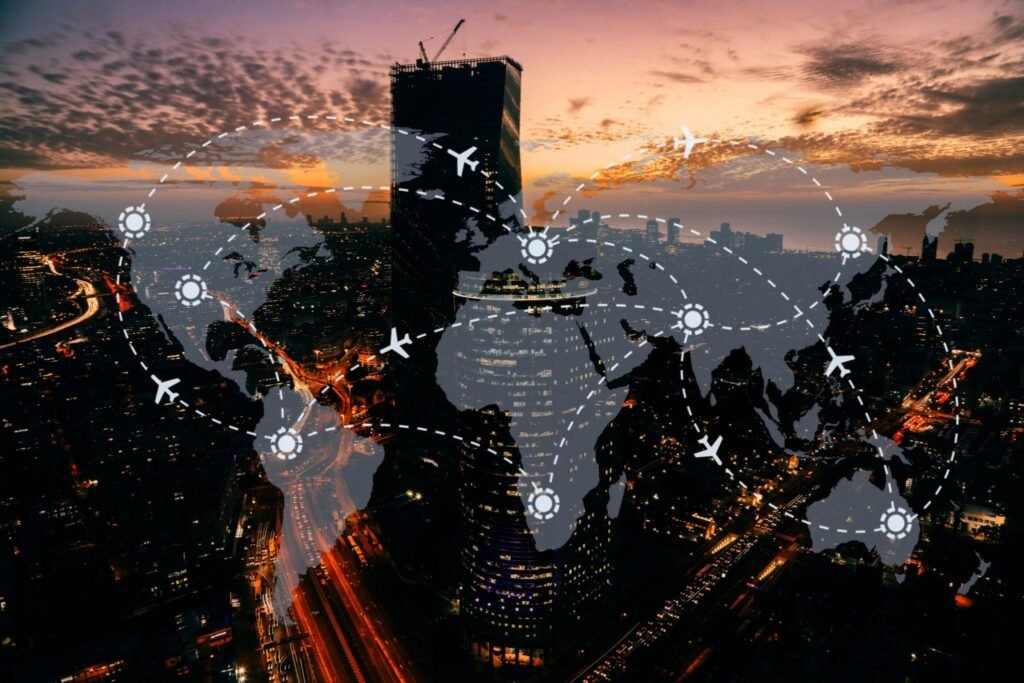
The current geopolitical instability in the Gulf will not last forever, and aviation companies should start thinking of their recruitment and talent strategy post conflict. For now, the Gulf region is still riling from the current war, with unprecedented pressures on airline operators and airports across the region. In the long term, however, operators can turn this systemic shock into a more resilient strategy for employment, workforce planning, and operational continuity.
A clear present indicator is current air travel passenger growth, coupled with persisting global connectivity needs. This creates a complex HR landscape where short term contraction must be balanced against inevitable recovery. For aviation leaders, the challenge is clear: how to maintain workforce agility and take on current losses, while preparing for a rapid rebound.
The Aviation Industry’s Current Disruption
Geopolitical fallout: From the Gulf to the wider aviation industry
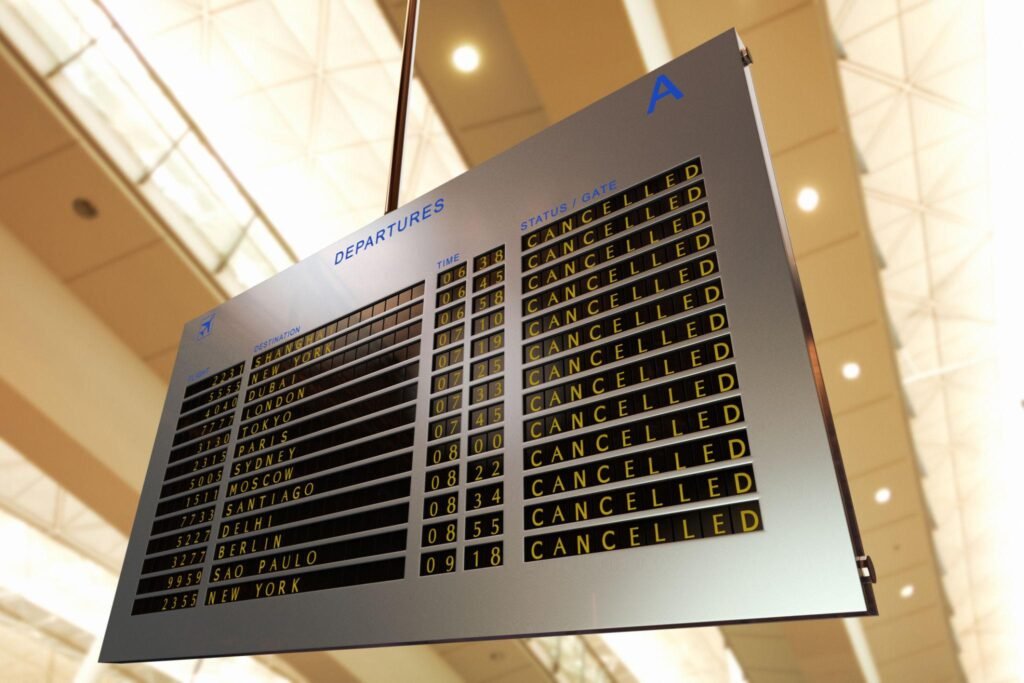
Right now, the clear short term disruption is severe. The latest developments in the Gulf region and the wider Middle East have increased jet fuel prices dramatically; forcing airlines to cut routes, increase fares, and consider fleet reductions.
As one would expect, European and Asian routes are also sharing the burden of the conflict’s massive disruption. Taking Heathrow as an example, not only has the London airport seen a 51% drop in Middle East traffic, reflecting immediate demand shifts, but it is now facing capacity constraints. Precisely, its growth is lagging behind EU rivals due to full runway slots after reroutings, and capacity pressures.
Transport correspondent Theo Legget highlights that “under normal circumstances, these three Gulf airports [DBX, DOH, AUH] together handle more than 3,000 flights every day, the majority of them operated by the local carriers, Emirates, Etihad and Qatar Airways” and at the moment we continue seeing the upheaval this is causing to aviation employees, forcing airlines to evacuate fleets or ground them altogether, causing major complications with crew positioning, scheduling, and accommodation.
Positive upturns and upcoming surge in aviation
The current climate looks so shaken that operators are tempted to rigidly cling to any major changes, and hope that peace and prosperity come back in a relatively short time. That may come to fruition, in view of how new ‘geopolitik’ is played, oftentimes at the whim of a few leaders’ social media posts, but that does not constitute a measured Aviation HR strategy.
Looking at recent total demand is revealing. In fact, revenue in passenger kilometers (RPK) was up 6.1% in February 2026, compared to last year. Subsequently, total capacity increased 5.6% year on year, measured in available seat kilometers (ASK), with the load factor at 81.4% (+0.3 ppt compared with February 2025).
Eventually, the aviation industry will experience a surge, and operators should be ready for it. For aviation companies, workforce management and recruitment in the gulf will enter a decisive phase, with rippling effects across regions and extending into the wider industry. Thus, aviation leaders should think about their eventual HR talent strategy post conflict. The key question is no longer if airlines will recover from geopolitical disruption, but how quickly, and with what workforce model will they stand out from the pack.

Strategic Outlook: Operators at the Prospect of a Rapid Rebound
HR aviation insights: Demand resilience and signals of a market rebound
Taking a look at the HR Aviation landscape, aviation employment cycles are increasingly compressed. Analysts suggest that post conflict recovery will resemble a “snapback” hiring model, similar to post COVID patterns, but even faster.
Mainly, structural demand remains strong. The IATA data still indicates a strong forecast, with an expected 4.4% passenger growth in 2026. Positively, international RPK growth reached 5.9% in February, with strong growth in Latin America. Furthermore, eastern Asia air passenger traffic benefited from the Lunar New Year travel demand, as air passenger traffic between Europe and Asia has also been robust (+14%), particularly between Asia and Spain and Italy.
In terms of talent strategy, successful operators have learned to be more adaptable post COVID, resulting in more flexible route planning, better cost structures, and stronger operational flexibility. In fact, United Airlines CEO Scott Kirby mentioned that despite prices doubling in the past four weeks, demand is still extraordinarily strong.
For international employers in aviation, this signals a familiar but intensified pattern. Despite the short term workforce contraction requiring cost control and route rationalisations, mid term rehiring surges when routes reopen and demand rebounds need to be discussed right now by carriers and operators, particularly aviation personnel talent strategy post conflict.
What will matter in the long run, will be long term talent shortages, especially for pilots and engineers. HR leaders must therefore invest in workforce elasticity to maintain talent pipelines, even during downturns.

Managing aviation employment through crisis and and talent strategy post conflict
Operators should take advantage of this strategic standpoint, as parts of their current operation may still be flourishing; but especially in view of the aviation industry’s full recovery when the time comes to finally breach the sunlight from the tunnel.
Thinking strategically, HR teams in the aviation industry should focus on strengthening their recruitment strategies and their workforce’s adaptability. To wit, operators and regional stakeholders will need to be proactive to sustain hiring across technical and operational roles, increase aircraft procurement and infrastructure investment, consider more cross border professional mobility, and be better prepared for subsequent geopolitical shocks.
Strong recruitment companies, in this context, become one of the key enablers and safeguards for airline HR departments. Apart from acting as reliable partners in sourcing the right specialists, HR business partners also support retention. With a foothold on the global market, recruitment agencies that work alongside internal HR teams are no longer a “nice to have,” but a “must have” for any airline aiming to build a sustainable and resilient workforce in the long term.
CEO or Aerviva, Mindaugas Rainys affirms that “the transition of HR in Aviation needs to shift from an administrative function to strategic enabler of resilience” in order to be prepared for the upcoming challenges. He continues: “The winners at the end of this cycle will not be those who cut their workforce the fastest; but those who rebuild smartest”.
Key data is already foreshadowing this since passenger demand remains strong despite geopolitical shocks. When forecasting further, however, airlines can expect a rapid hiring surge post conflict, particularly in operations, engineering, and digital aviation. As a result, HR aviation teams would be wary of talent shortages, especially in highly skilled aviation personnel. Recovery will not be uniform, and HR teams will undoubtedly play a central role in determining which organisations outperform others.
Conclusion
HR teams working in aviation are faced with a somewhat paradoxical situation: operational contraction in the short term, but strong rebound indicators long term. Consequently, workforce planning must become dynamic in trying to balance current attrition needs with rapid redeployment readiness. The post conflict environment will demand faster decision making, sharper forecasting, and more resilient workforce models.
Conclusively, industry signals suggest resilience, and future recovery, but not without structural change. HR aviation teams who do not develop a well thought out talent strategy post conflict will inevitably be less prepared for any future rebound.

 United Arab Emirates